
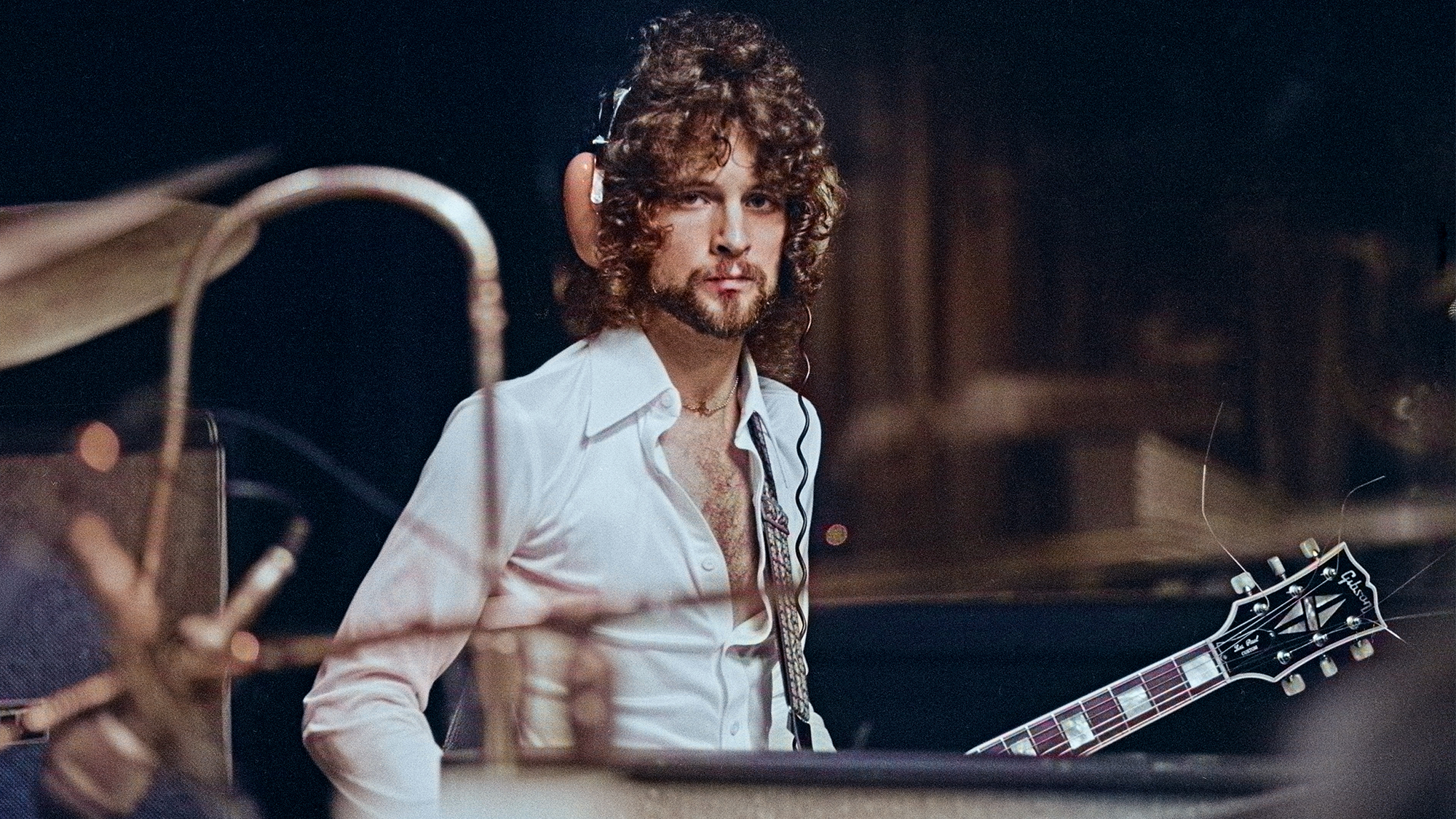
In the world of music, a single phone call can change everything. For Lindsey Buckingham, it was a call that ended nearly four decades of artistry and tumultuous collaboration with Fleetwood Mac. Picture this: the legendary band, riding high on the success of their iconic album "Rumours," was suddenly torn apart in 2018, leaving Buckingham to face a harsh reality—a bitter separation that would ignite a legal battle and forever alter the course of one of rock's greatest legacies.
Fleetwood Mac burst onto the musical landscape in the 1970s, blending rock, pop, and a touch of blues into a sound that sparked a cultural revolution. The release of "Rumours" in 1977, filled with haunting melodies and raw emotional turmoil, not only solidified their place in music history but also captured the intricate and often stormy relationships within the band. Buckingham, with his innovative guitar work and distinctive vocals, had a pivotal role in this creative alchemy, but the years of personal conflict between him and other band members took their toll, especially with the rise of tensions surrounding tours and public appearances.
Fast forward to April 2018, a month forever etched in rock lore. Just weeks before Fleetwood Mac was set to embark on a new tour, Buckingham received a life-altering phone call. He was unceremoniously fired from the band. The shocking dismissal sent tremors through the music industry, as fans and fellow musicians alike struggled to grasp how such an iconic figure in rock music could be cast aside so abruptly. The aftermath was intense: a public statement from the band implied it was time for a new direction, while Buckingham’s camp decried the firing as a betrayal of their rich history together.
The fallout was swift and sensational. Lindsey Buckingham launched a lawsuit against Fleetwood Mac, sparking an uproar in the media and among fans. The drama became more than just a personal conflict; it highlighted the very real struggles of artists grappling with fame, legacy, and the harsh reality of egos within the music business. In this case, the legal battle not only threatened to destroy friendships but also cast a long shadow over the band's storied past, a rift that tore at the heart of what made Fleetwood Mac so captivating.
The emotional weight of this story echoes through the corridors of musical history; it's not just about a breakup but a reflection of the price of fame itself. Listeners remember their anthems, a soundscape that defined an era rife with change—from the introductions of MTV and Walkman to the iconic disco nights at Studio 54. All of this swirls into a poignant reminder that even in a world filled with glitter and glamour, personal conflict runs deep.
As we celebrate the music and legacy of Fleetwood Mac, Lindsey Buckingham remains a figure laced with both brilliance and controversy. His contributions cannot be downplayed, even amidst the storms of personal strife. Today, his story continues to resonate, reminding us of the fragility of creative partnerships and the enduring power of music to evoke emotion, forge connections, and sometimes, to tear them apart.
Forty-three years of music, battles, and collaborations all condensed into one fateful moment—a phone call that not only dissolved a partnership but also shed light on the unpredictable nature of artistic endeavors. As fans of timeless rock tunes, we can’t help but wonder how different the sound would be if that call had never been made.


