
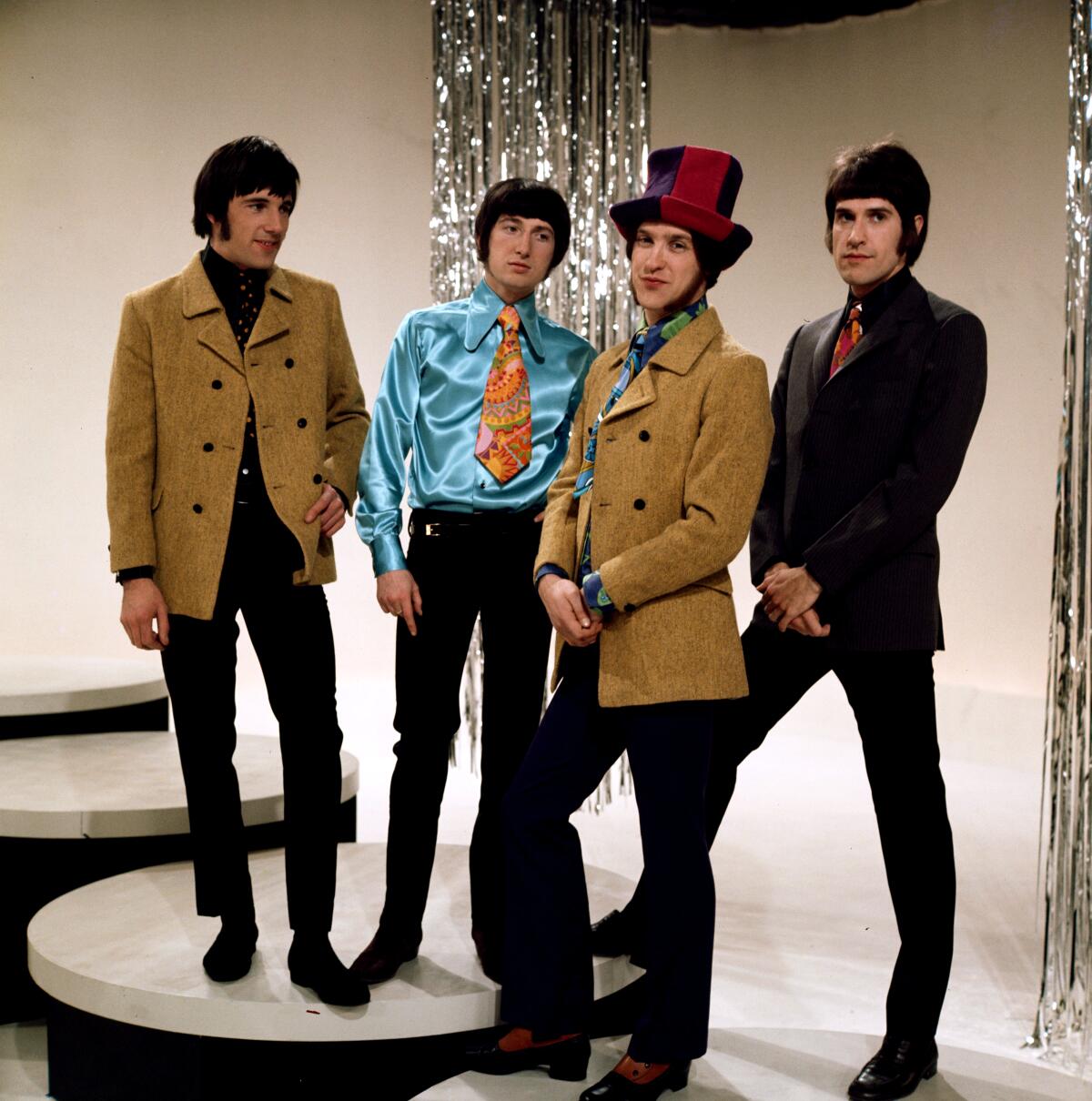
June 1966 was not just another month in the tumultuous landscape of music; it marked a fierce battle of artistic expression cloaked in what appeared to be a sun-soaked melody. Ray Davies, the legendary frontman of The Kinks, opened a tax bill that could have spelled disaster for him personally, yet he channeled that turmoil into something profoundly impactful. This moment became the genesis for a song that would knock The Beatles off the top of the charts, a feat that no one could have predicted amidst the British Invasion.
The hit in question is none other than ‘Sunny Afternoon’, a deceptively laid-back tune with a biting undercurrent, unmistakably laced with a critique of the British government. In the era when the music was often a celebration of love and freedom, Ray’s poignant lyrics provided a stark reality check. Here was a man, burdened by financial pressures and the weight of a struggling economy, using music not merely as an escape, but as a powerful tool for protest. The juxtaposition of light melodies with sharp lyricism illustrates the duality of the era—an age brimming with joy yet shadowed by unrest.
What stands out about Ray Davies and The Kinks during this period is not just the ability to craft infectious hooks, but the tenacity to address serious issues through their art. ‘Sunny Afternoon’ became emblematic, reflecting a generation’s discontent. It resonated with many who felt the pressure of taxes and the restrictions imposed by the system. The song's haunting yet cheerful arrangement disguised a raw feeling of anger and rejection towards the status quo while simultaneously making it a huge radio hit.
By toppling The Beatles, who were riding high on the cultural wave of Beatlemania, Davies inadvertently sparked a clash of musical titans and a larger conversation about the role of artists in society. Rock 'n' Roll was more than just a sound; it became a vehicle for commentary, a sentiment that reignited as music evolved through the following decades—from the psychedelic movements of the late 60s to the grunge phenomenon of the 90s.
Perhaps what makes Ray Davies' efforts resonate today is the realization that artists can indeed carve their paths amidst adversity. The emotional weight behind ‘Sunny Afternoon’ mirrors the struggles many encounter in contemporary life—whether it’s grappling with financial burdens or societal pressures. It serves as a reflective piece for listeners now navigating their own adversities, proving that music can articulate feelings when words often fall short.
Moreover, the legacy of The Kinks extends beyond commercial triumphs; it embodies the spirit of rebellion within the music scene. During an age where the rise of platforms like MTV and the evolution of music styles ushered in new genres, the impactful storytelling present in Davies' work continues to inspire new generations of artists. Ray Davies, with his masterful storytelling and social awareness, crafted a song that encapsulated not just a fleeting moment, but an enduring saga of human experience.
As we look back at this era, it’s worth pondering how something as simple as a tax bill transformed into a powerful anthem of protest. The sounds of The Kinks still linger in the backdrop of our lives—not merely as nostalgic echoes from the past, but as poignant reminders of the struggles, triumphs, and artistry that are as relevant now as they were in June 1966. From one song, we glean a timeless truth: often, the sweetest melodies can hide the most bitter of truths.


