
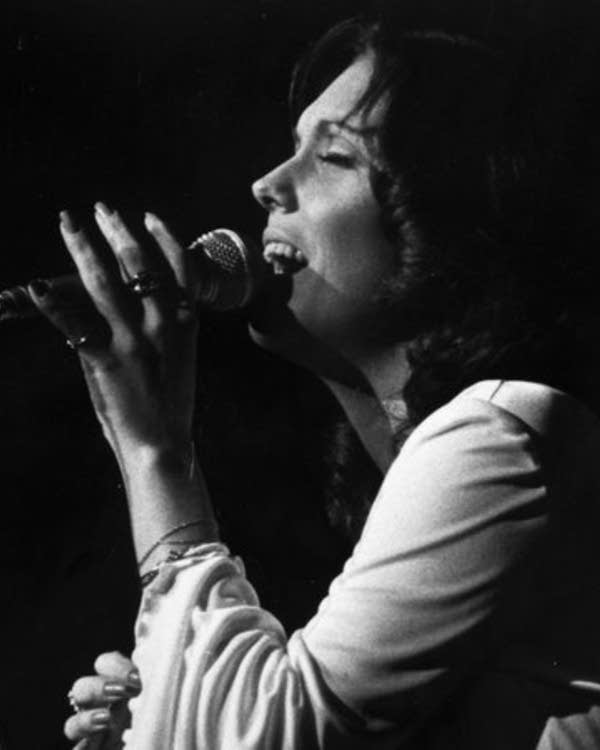
The world remembers Karen Carpenter as the ethereal, soft-spoken voice that defined the sound of 1970s pop. To the millions who spun The Carpenters' records on their turntables, she was the girl next door with a vocal tone as pure as a lullaby. Yet, beneath the perfectly polished production of radio hits like Close to You, there lived a reality that the public largely ignored. While the cameras were focused on her swaying softly behind a microphone, a secret was hiding in plain sight. Karen Carpenter was not just a singer; she was a drumming prodigy whose technical precision left the greatest jazz legends of the era standing in absolute awe.
In an age dominated by the flamboyant, ego-driven rock stars of the 1970s, Karen stood out for the wrong reasons. The industry wanted a porcelain doll, not a musician who could hold her own against the most formidable percussionists in the business. Legends like Buddy Rich and session drumming icon Hal Blaine knew the truth that the marketing machines tried to downplay. They didn't just see a singer; they saw a master of the kit. Blaine famously noted that Karen had an innate sense of time that was simply uncanny. She played with the authority of a seasoned veteran, yet she was constantly pressured to step away from her instrument to stand at the front of the stage.
It is a tragedy of the music industry that her true genius was kept in the shadows. The transition from the drummer’s stool to the spotlight was a forced evolution driven by the demands of the record labels and the expectations of the public. Every time she stood in front of the band, a part of the real Karen—the musician who found solace and power in the rhythmic strike of a snare drum—was being erased. The industry favored the visual image of a frail, angelic pop star over the gritty reality of a woman who could outplay the best in the room. This clash between her creative soul and the corporate image she was forced to embody is one of the most poignant dramas of the soft-pop era.
Her story remains a haunting reminder of the pressures of fame in the pre-MTV landscape. The irony is that while fans were busy romanticizing her fragile delivery, they were missing the sheer technical grit that defined her character. Karen Carpenter carried this dual identity in silence, performing with a grace that masked the underlying friction between her talent and her public persona. When we look back at the golden age of American pop, we must look beyond the radio edits. We must recognize the woman who could command a drum kit with the same effortless beauty she brought to her lyrics.
Even today, the legacy of Karen Carpenter resonates with a bittersweet quality. She was a woman who gave everything to her art, only to have her greatest musical identity minimized by the expectations of her time. When you listen to those classic tracks now, try to listen past the melody. Hear the ghost of the drummer, the artist who stood in the shadows of her own stardom, waiting for the world to finally understand the depth of her genius. She was more than just a voice; she was the heartbeat of a generation.


