
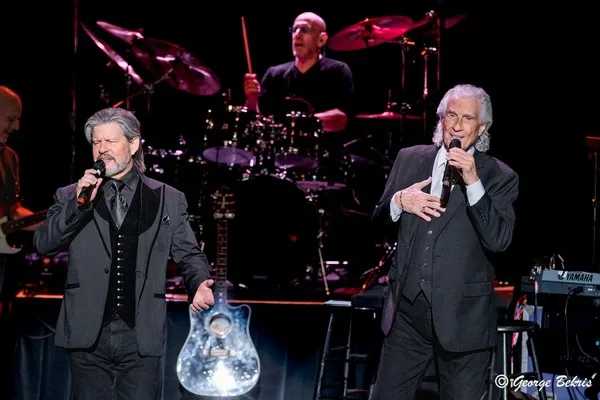
The year was 1964. The airwaves were crackling with the upbeat, concise melodies of the early British Invasion, and the industry standard for a radio hit was a strict three minutes. Any song exceeding that limit was essentially a death sentence for commercial airplay. Yet, Phil Spector, the eccentric genius behind the production desk, sat in the studio with The Righteous Brothers, holding a masterpiece that defied every rule in the book: You've Lost That Lovin' Feelin'. At nearly four minutes long, the song was an atmospheric, soul-stirring epic, but it was far too long to survive in a world of quick-paced Jukebox rotation. That was when Spector decided to rewrite the rules of the game using a calculated, brilliant lie.
Spector knew the song’s emotional gravity was undeniable, but he also knew the gatekeepers of the radio waves would reject it on sight. When the promotional copies were sent out to DJs across the country, he intentionally printed the track length as a mere 3:05 on the record labels, knowing full well the actual duration was significantly longer. By the time the DJs realized the deception, the song was already spinning its way into the hearts of millions of listeners. It was a high-stakes gamble, a moment of studio trickery that turned a potential flop into an enduring legend of the 1960s musical landscape.
When you listen to the soaring baritone of Bill Medley and the crystalline, powerful tenor of Bobby Hatfield, you are hearing more than just a pop song. The Righteous Brothers created a blueprint for the blue-eyed soul movement, infusing their tracks with a raw, visceral intensity that demanded attention. The song captured the ache of fading romance with such brutal, cinematic honesty that it resonated across generations. It transformed the duo from working musicians into icons of an era defined by vinyl records and the intoxicating promise of the American dream.
Beyond the deception, the impact of You've Lost That Lovin' Feelin' remains unparalleled. It famously earned the title of the most-played song in radio and television history, a testament to its timeless emotional core. The tension between the heavy, orchestral production and the vulnerability of the vocal performances created a soundscape that felt both intimate and grand. It was the era of the transistor radio, and suddenly, everywhere you turned, that haunting piano intro and the desperate plea for love were the backdrop to life in mid-sixties America.
Today, the legacy of The Righteous Brothers serves as a reminder of a time when music was an act of defiance. Their story is one of grit, studio smoke, and the sheer audacity to challenge the establishment. As we look back through the lens of nostalgia, we realize that the most beautiful truths in music are often born from the most daring lies. The next time you hear those iconic opening chords, remember the quiet studio battle that changed history forever. It is a song that proved, once and for all, that greatness cannot be measured by a stopwatch.


