
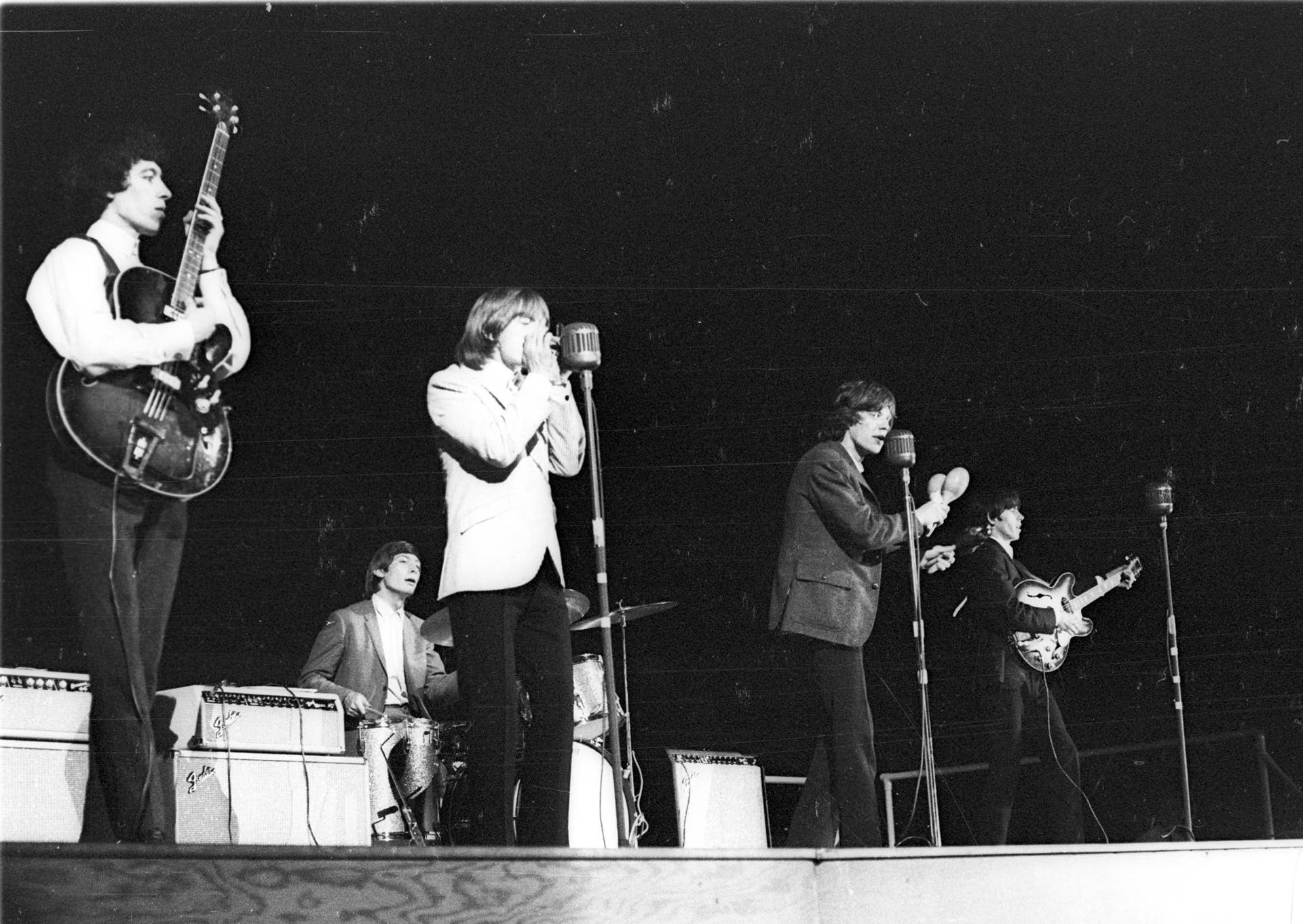
In June 1964, The Rolling Stones walked into Chess Studios in Chicago, a mecca for blues and soul music. As the sunlight streamed through the small windows, the air was thick with anticipation. Little did they know, they were about to record a cover of Bobby Womack's soulful track, “It's All Over Now,” a move that would catapult them from relative obscurity to international stardom overnight. But behind the glitzy facade of fame lay a tale of fury, loss, and the brutal realities of the music business.
Bobby Womack, a gifted songwriter and performer in his own right, had penned “It’s All Over Now” for his group, The Valentinos. The track oozed with the raw emotion characteristic of Womack’s style. Yet weeks later, as The Rolling Stones’ version hit the top of the charts, Womack found himself watching his original slip away from public recognition. The thrill of seeing his creation go mainstream was overshadowed by the pain and anger at the situation.
As the number one hit played on the radio, the royalty checks began to arrive at Womack’s doorstep, transforming his fury into financial success. However, the bitter irony remained: his artistic expression had been seized and commercialized by another band. In a moment that many would describe as a Hollywood paradox, Womack’s struggle for recognition became a narrative arc that defined his career. Each check symbolized a complicated victory, a reminder of the price of fame.
The Rolling Stones, known for their rock 'n' roll bravado, had no idea of the storm brewing beneath the surface. To them, it was another track to add to their repertoire, one that unmistakably showcased Womack’s compelling songwriting. Guitar riffs driven by Keith Richards and Mick Jagger's dynamic vocals turned the song into an anthem of rebellion, capturing the spirit of 1960s youth culture. This was an era ignited by the electric energy of rock music and the raw sound of soul, forever intertwining the two genres in modern music history.
Womack's influence stretched far beyond this one song. He went on to become a critical figure in music, influencing countless artists while battling the highs and lows of fame. The drama that unfolded behind “It’s All Over Now” not only underscored the conflicts within the music industry but also highlighted the often-unseen struggles artists faced. Womack himself fought against the industry's tide, navigating the twin realms of creativity and survival.
Decades later, the story of Bobby Womack and The Rolling Stones still resonates deeply with fans of classic American music. It serves as a stark reminder that behind every hit song, there lies the heartbeat of its creator and the sacrifices made for art. As old records spin and the lyrics echo in our hearts, we are transported back to that pivotal time in music history, a place where raw talent met rock star glamour.
Today, listeners continue to discover Bobby Womack’s fire and spirit through covers, samples, and revisits of his catalog. His music stands as a testament to resilience and the complexities of artistic integrity. The journey from the shadows of anonymity to the spotlight of fame is not just a tale of loss for Womack; it is a universal narrative of striving for recognition. While The Rolling Stones soared, Bobby Womack remained deeply rooted in the ethos of soul, reminding us all that the story behind the song is just as powerful as the song itself.


