
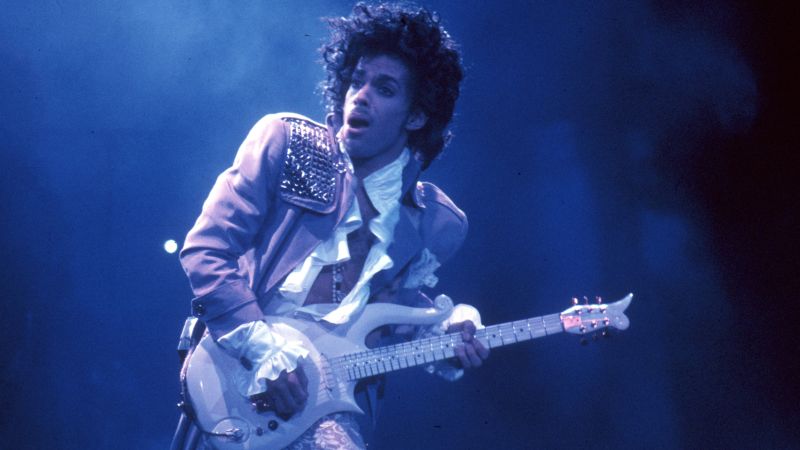
In 1993, the world witnessed an unprecedented dramatic confrontation that would alter the music industry’s landscape forever. Prince Rogers Nelson, the artist commonly known as Prince, took a bold stand that shocked fans and insiders alike: he erased his own name in protest against his record label, Warner Bros., boldly scrawling the word ‘SLAVE’ across his face. This was not just a moment of rebellion; it was a declaration of war on a system that sought to exploit his talent and take ownership of his art.
Prince emerged in the late 1970s and swiftly became one of the defining musical icons of the 1980s, seamlessly blending elements of funk, rock, R&B, and pop into a sound that was unmistakably his own. With hits like "Purple Rain" and "When Doves Cry," he had carved out a unique space in the industry, both as a performer and a songwriter. However, behind his shimmering facade lay tumultuous struggles with labels that sought to commodify his gifts. As the 1990s approached, the pressures of fame collided with an urgent desire for artistic freedom, setting the stage for a showdown that would resonate through music history.
The music industry was evolving, propelled by the rise of MTV and a new era of commercialization. Artists were increasingly confronted with the harsh realities of contracts that often favored labels over their creative power. Prince’s transformation into an unpronounceable symbol epitomized not just a personal rebellion but reflected a broader challenge many artists faced: how to reclaim their narratives in a world eager to package them like products.
What led Prince to this dramatic choice? The story unfolds against a backdrop of intense negotiations and artistic dissatisfaction. Already a superstar, he found himself ensnared by Warner Bros., which owned the rights to his music. They sought to control his releases and creative direction. In a drastic final act to seize his identity back, Prince declared, "I am no longer Prince," and took the unpronounceable symbol as his name, signaling to his fans and the industry that he was reclaiming his autonomy.
For many generations of artists and fans, Prince's battle against Warner Bros. was not just about his music; it was a larger commentary on what it meant to truly own one's identity in the arts. The pressure of fame, the anxiety of production, and the emotional toll of a life under scrutiny are well-documented issues. Many artists today still reference Prince’s legacy when discussing the importance of ownership, especially in an age where streaming services reign and the models of music production continue to evolve.
On stage, backed by his formidable band, Prince would later share that the fight for his identity was about much more than contracts; it was a fight for his very soul as an artist. His powerful music continues to resonate with the struggles faced by upcoming artists who desire more than fame—who seek authenticity in a space often defined by exploitation.
As we reflect on the profound implications of Prince’s actions, we are reminded of the importance of self-identity and artistic integrity in our lives. Today, as we celebrate the iconic soundtracks of the 1980s and the revolutionary eras that followed, Prince Rogers Nelson stands as a symbol of courage and resilience—a reminder that true artistry should never be confined by a name, but rather celebrated in its purest, unfiltered form.


