
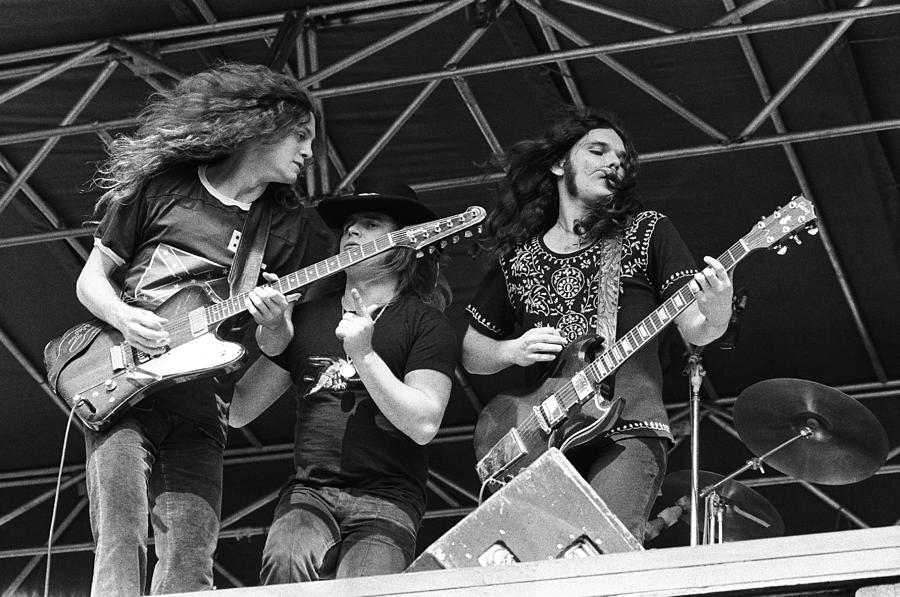
In the golden era of seventies rock, no band captured the raw, rebellious spirit of the American South quite like Lynyrd Skynyrd. They were the kings of the stadium anthem, touring relentlessly, leaving a trail of cigarette smoke, spilled whiskey, and iconic guitar riffs in their wake. But behind the triumph of the Free Bird era lay a shadow that would soon swallow them whole. It was October 1977, and the air was heavy with more than just the humidity of the deep South. Their chartered Convair CV-240 was, by all accounts from the road crew, a mechanical nightmare, a flying death trap held together by frayed nerves and sheer momentum.
The warnings were clear and terrifyingly specific. Crew members reported seeing flames spitting from the engines and noted that the fuel gauges were unreliable at best. In any other circumstances, common sense would have grounded the plane, yet the pressure of fame is a relentless engine of its own. When confronted with the mechanical instability of the craft, the band’s iconic frontman, Ronnie Van Zant, reportedly offered a haunting shrug. He famously remarked that if it was his time to go, it was simply his time. It was the fatalistic philosophy of a man living life at full throttle, unaware that his final performance was already written into the stars.
On that fateful October 20th, the music truly stopped. The plane ran out of fuel over the swamps of Gillsburg, Mississippi, shattering the dreams of a generation of rock fans who worshipped the band’s gritty, authentic sound. The impact silenced the voices of Van Zant, Steve Gaines, and Cassie Gaines, instantly transforming Lynyrd Skynyrd from legendary rockers into tragic folk heroes of the American musical landscape. The crash did more than just claim lives; it ended an era of unbridled, dangerous rock and roll excess that defined the late seventies.
Looking back from our modern perspective, the story of Lynyrd Skynyrd remains a chilling testament to the price of fame. In an age before the digital safety nets of today, touring bands lived on the edge, traveling from city to city with little regard for the precarious nature of their existence. The loss of such immense talent left a void that still resonates in classic rock bars and jukeboxes across the country. It serves as a somber reminder that the people who provided the soundtrack to our youth were often just as fragile and human as those of us listening in the crowd.
The legacy of Lynyrd Skynyrd persists not just in their catalog, but in the tragic mystery of that final, doomed flight. Every time the opening chords of their most famous anthems ring out, we are reminded of the price of the spotlight. Their story remains a cautionary tale of hubris, destiny, and the heavy burden of being icons. As we continue to spin their records, we aren't just listening to music; we are keeping the spirit of a vanished, louder, and wilder time alive.


