
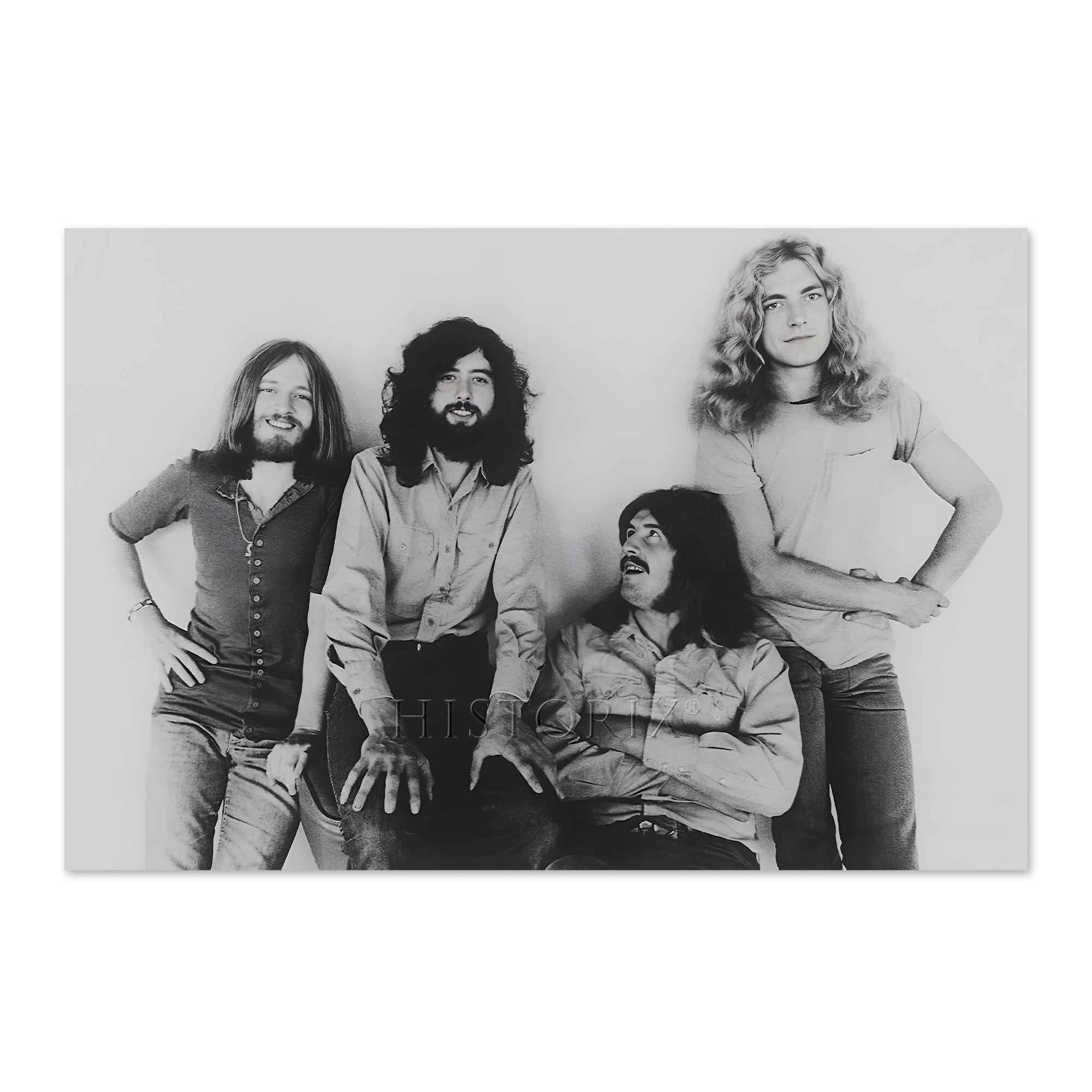
The year was 1971. In the hazy, smoke-filled air of a recording studio, Led Zeppelin was crafting what would become the definitive anthem of a generation. Stairway to Heaven was more than just a song; it was a mystical journey, a rock masterpiece that soared through radio waves and cemented the band as gods of the era. Yet, behind the triumphant arpeggios and Robert Plant’s haunting vocals lay a secret that would eventually spiral into one of the most grueling courtroom battles in music history. For decades, the public believed in the myth of spontaneous genius, but the truth was far messier, hidden behind the high-gloss production of a band at the absolute zenith of their power.
At the center of this storm was a simple sequence of eight notes. The shadow of suspicion cast over Led Zeppelin centered on the claim that their iconic opening riff was lifted directly from Taurus, an instrumental track by the band Spirit, released three years earlier. While the press often painted Led Zeppelin as untouchable giants, the legal proceedings revealed a band haunted by their own inspirations. Was it a mere coincidence of musical evolution, or was the cornerstone of their greatest legacy a calculated act of appropriation? For years, the courtroom drama stayed tucked away, a dark footnote that contradicted the pure, untouchable image of 1970s rock stardom.
During the peak of their influence, Led Zeppelin was known for their excesses, their private jets, and the swirling rumors that followed them like ghosts. When the lawsuit finally surfaced, it felt like a betrayal to millions of fans who had spent their lives believing in the divine creative energy of Jimmy Page and his bandmates. The litigation dragged on for years, testing the resilience of their legacy and forcing the band members to revisit the creative spark of 1971. It was a humiliating spectacle for men who were once accustomed to adulation, now forced to dissect their magnum opus in a cold, sterile courtroom environment under the scrutiny of cynical lawyers.
Looking back, the controversy adds a layer of grit to the Led Zeppelin legend. It reminds us that even the most celestial music is born from human hands, flawed and subject to the gravity of earthly greed and ego. The band eventually emerged legally victorious, but the damage to the myth was done. Fans were left to wonder how much of the magic we hold dear was truly original, and how much was simply the byproduct of a chaotic, fast-moving industry that thrived on blurred lines and unspoken debts.
Whether you believe the band was guilty of theft or simply a victim of creative convergence, the weight of the song remains unchanged. Stairway to Heaven still echoes in the halls of classic rock history, carrying with it the tension of its own origin story. It serves as a stark reminder that even our most cherished idols operate in a world of ambiguity, where the line between tribute and transgression is often thinner than we dare to imagine. When you listen to those opening chords today, do you hear the sound of pure inspiration, or the faint, echoing whisper of a secret long kept from the light?


