
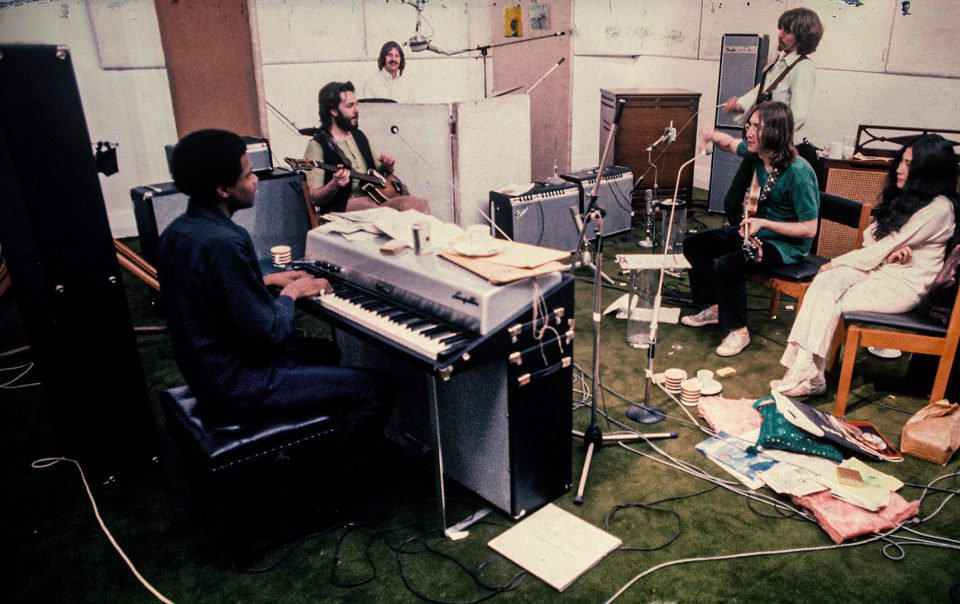
January 1969. The air inside Twickenham Film Studios was thick with cigarette smoke and the suffocating tension of a crumbling empire. For the four men who had redefined music for a generation, the camaraderie that once fueled their rise was rotting from within. John Lennon was detached, Paul McCartney was relentlessly driving his bandmates, and George Harrison had reached a breaking point, briefly quitting the group altogether. The Beatles were at war, and their legacy seemed destined to end in a whimper of bitter arguments and uninspired rehearsals. Then, a charismatic outsider walked into the room, and for one brief, brilliant moment, the fighting simply stopped.
That man was Billy Preston. Already a seasoned musician with a pedigree that stretched back to the gospel circuits and the orbits of Little Richard, Billy Preston was not just a hired hand; he was the bridge between a fractured brotherhood. When the Fab Four walked in to see him sitting at the organ, the atmosphere shifted. You see, the unwritten rule of the studio was that it was a closed sanctuary, but George Harrison had invited him along to shake things up. It was a masterstroke. The presence of such a talented, easy-going musician forced everyone to behave. You do not bring your petty drama to the table when a true master of the keys is watching, and Billy Preston had a way of diffusing tension simply by playing a chord that felt like sunshine breaking through a London winter sky.
Known as the fifth Beatle by many, Billy Preston brought a soul-drenched energy that revitalized the band's stalling sessions. His contribution to the Get Back sessions was profound, injecting the raw, bluesy aesthetic that defined the final chapter of their discography. When you listen to the iconic rooftop performance that became the climax of their career, you hear the fingers of Billy Preston dancing across the keys, anchoring the chaos. He was the sonic glue that held the tracks together while the members were mentally already halfway out the door. It was a fleeting, miraculous harmony, a reminder of what the band could sound like when they let the music do the talking instead of their egos.
Beyond the studio lights, Billy Preston remained a humble genius whose talent far exceeded the constraints of any one genre. He wasn't just a guest; he was a catalyst for peace in an era defined by social upheaval and cultural shifts. His time with the group served as a poignant punctuation mark in the timeline of the sixties, reminding us that even the greatest legends need a guiding light when the darkness of internal strife takes hold. Even today, the legacy of his involvement serves as a testament to the idea that music has the power to silence even the most stubborn of storms.
Reflecting on those sessions, it is easy to view them through a lens of nostalgia, hearing the echoes of an era where a simple melody could change the world. Billy Preston provided more than just a musical flourish; he provided the Beatles with the dignity to bow out with grace. As the cassette tapes of those sessions continue to circulate among collectors and fans, we are reminded of a time when the world stood still to listen to four boys from Liverpool and the one man who helped them find their way home. If you listen closely to the final records, you aren't just hearing a band; you are hearing the sound of a miracle unfolding in real-time.


